
Culture Trends: From Classic to Cutting-Edge
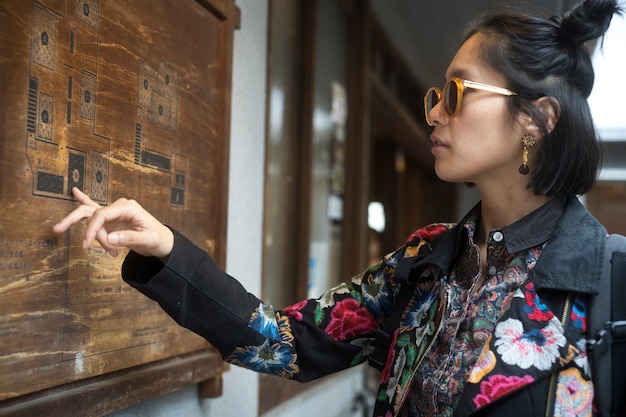
In the ever-evolving landscape of culture, the journey from Classic to Modern Culture Trends is a fascinating exploration of how societies reflect, adapt, and innovate. As cultural norms and artistic expressions transform, they not only highlight the shifting values of our time but also pave the way for new forms of engagement and understanding. From timeless traditions to Cutting-Edge Cultural Developments, the spectrum of cultural trends offers a vibrant tapestry that reveals the dynamic nature of human creativity and societal evolution.
The Enduring Appeal of Classic Culture Trends
Classic to Modern Culture Trends are deeply rooted in historical practices and enduring traditions that continue to influence contemporary society. Classic culture encompasses a range of elements, from classical music and Renaissance art to ancient philosophies and traditional festivals. These timeless aspects of culture provide a foundation upon which modern innovations are built.
For instance, the classical arts, including the works of Shakespeare and the compositions of Beethoven, have left an indelible mark on our cultural heritage. Their influence persists, as contemporary artists often draw inspiration from these historical giants, integrating their motifs and techniques into new creations. This seamless blend of the old and the new demonstrates how Evolving Culture Trends are deeply intertwined with historical precedents, creating a rich dialogue between past and present.
Embracing Innovative Cultural Shifts
As society progresses, Cutting-Edge Cultural Developments emerge, pushing the boundaries of traditional cultural expressions. These innovations often stem from technological advancements, globalization, and shifting social attitudes. The rise of digital media, for instance, has revolutionized the way we consume and interact with culture. Streaming platforms, social media, and virtual reality have created new avenues for artistic expression and cultural exchange, offering unprecedented access to global content.
One notable example is the impact of social media influencers on cultural trends. Platforms like Instagram and TikTok have democratized content creation, allowing diverse voices and unconventional ideas to gain widespread attention. This shift has led to a more inclusive and participatory cultural landscape, where the boundaries between creator and audience are increasingly blurred. As a result, we see a proliferation of Innovative Cultural Shifts that challenge traditional norms and introduce fresh perspectives.
The Fusion of Tradition and Innovation
The interplay between classic traditions and contemporary innovations highlights the dynamic nature of cultural evolution. Evolving Culture Trends often involve the fusion of traditional elements with modern sensibilities, creating new forms of artistic and cultural expression. This synthesis can be observed in various domains, from fashion and architecture to cuisine and performing arts.
Take, for example, the growing popularity of fusion cuisine. By blending traditional culinary techniques with contemporary flavors and ingredients, chefs are creating unique dining experiences that celebrate both heritage and innovation. Similarly, in the world of architecture, the incorporation of sustainable practices into classical design principles reflects a commitment to both preserving historical aesthetics and addressing modern environmental concerns.
Exploring the Impact of Cutting-Edge Cultural Developments
As we navigate the realm of Cutting-Edge Cultural Developments, it is important to consider their impact on society and individual identity. These developments often reflect and respond to the changing values and priorities of contemporary life. Issues such as climate change, social justice, and digital privacy are increasingly shaping cultural expressions and artistic endeavors.
For instance, the rise of eco-art and environmental activism highlights the intersection of art and environmental advocacy. Artists are using their platforms to address pressing ecological issues, employing innovative materials and techniques to raise awareness and inspire action. This trend underscores the growing importance of addressing global challenges through creative and impactful means.
The Future of Cultural Trends
Looking ahead, the trajectory of cultural trends will undoubtedly continue to evolve, driven by both technological advancements and shifting societal values. The integration of artificial intelligence, augmented reality, and other emerging technologies will likely play a significant role in shaping future cultural expressions. As these tools become more accessible, they will offer new possibilities for artistic creation and cultural engagement.
Furthermore, the increasing emphasis on diversity and inclusivity in cultural discourse will foster a more pluralistic and interconnected global culture. This trend will likely result in a broader range of cultural expressions and a greater appreciation for the richness of different traditions and perspectives.
Conclusion
The exploration of culture from Classic to Modern Culture Trends reveals a rich tapestry of artistic and social evolution. The blending of traditional elements with Cutting-Edge Cultural Developments reflects the dynamic nature of cultural expression and its ability to adapt and innovate. As we continue to witness Innovative Cultural Shifts, it is clear that culture remains a powerful force in shaping our understanding of the world and our place within it.
By embracing both the timeless and the contemporary, we gain a deeper appreciation for the diverse ways in which culture influences and enriches our lives. As we move forward, the ongoing dialogue between classic traditions and modern innovations will continue to inspire and transform, ensuring that culture remains a vibrant and ever-evolving aspect of human experience.

